Valve seat and guide machines are essential for engine rebuilding, ensuring optimal performance and longevity․ Robins Machines stands as a world-leading brand, offering
precision tools for valve seat cutting and guide servicing, vital for cylinder head repair․
What is a Seat and Guide Machine?
A seat and guide machine is a specialized tool used in engine repair facilities to precisely recondition valve seats and valve guides within cylinder heads․ These machines enable technicians to restore the critical sealing surfaces that ensure proper combustion and engine efficiency․ They address wear and damage caused by heat, pressure, and the constant movement of valve components․
Robins Machines, a leading manufacturer, produces a range of these machines – from manual models like the SG4 to more advanced options like the SG8E XL for large diesel engines․ The core function involves accurately cutting and resurfacing valve seats to create a perfect seal, and precisely aligning or replacing valve guides to maintain valve stability․
The Importance of Valve Seat and Guide Precision
Precise valve seat and guide work is paramount for optimal engine performance․ Imperfect seals lead to compression loss, reduced power, and increased emissions․ Worn valve guides cause valve wobble, impacting sealing and potentially leading to valve damage․ Accurate reconditioning, using a seat and guide machine, ensures a tight, reliable seal between the valve and seat․
Robins Machines emphasizes this precision in their designs․ Even slight inaccuracies can negate the benefits of a rebuild․ Maintaining correct valve angles, as in a three-angle valve job, is crucial․ Proper guide alignment prevents premature wear and ensures consistent valve operation, maximizing engine life․
Types of Seat and Guide Machines
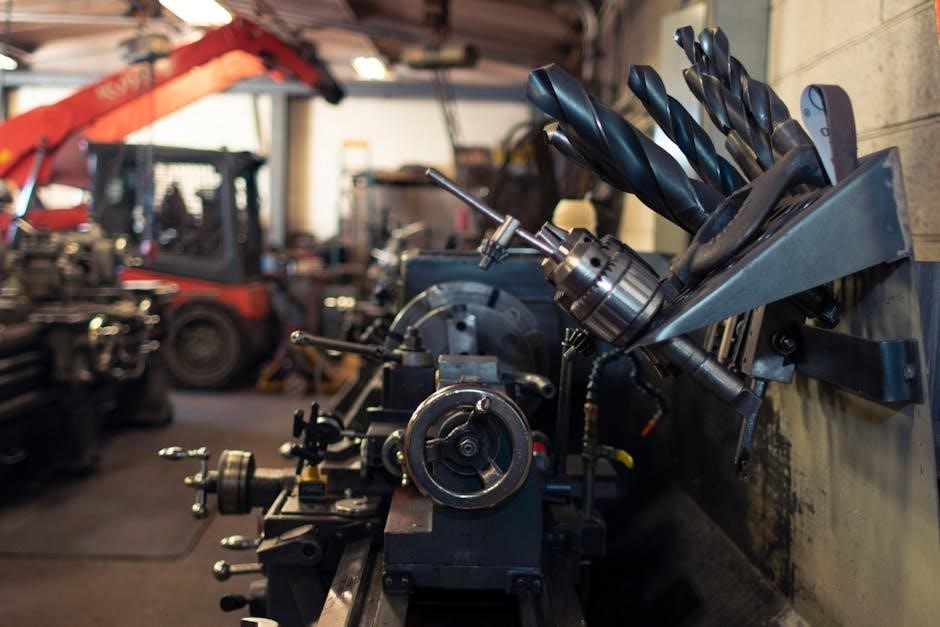
Seat and guide machines range from manual options for basic repairs to semi-automatic and fully automatic models, like those from Robins Machines, offering increased efficiency and precision․
Manual Seat and Guide Machines
Manual seat and guide machines represent the foundational technology in valve seat servicing․ These machines require the operator to control all aspects of the cutting and guide replacement processes, demanding significant skill and experience․ While offering a lower initial investment, they necessitate more labor-intensive work․ They are suitable for shops handling lower volumes or specializing in classic engine restorations where precision and a craftsman’s touch are paramount․ Though older models might require sourcing replacement parts, they remain a viable option for specific applications, especially considering the potential for cost-effective repairs․
Semi-Automatic Seat and Guide Machines
Semi-automatic seat and guide machines bridge the gap between manual operation and full automation․ These machines typically automate certain functions, such as the cutting head feed or guide driving process, while still requiring significant operator control for positioning and adjustments․ This blend offers increased efficiency and consistency compared to fully manual machines, reducing operator fatigue and potential for error․ They represent a good balance for shops seeking improved productivity without the substantial investment of fully automatic systems, offering a practical upgrade path․
Fully Automatic Seat and Guide Machines
Fully automatic seat and guide machines, like the Robins VR 10-P, represent the pinnacle of valve seat servicing technology․ These machines minimize operator intervention, automating the entire valve refacing and reconditioning process – grinding, cutting, and guide replacement․ They utilize pre-programmed settings and advanced control systems to ensure consistent, high-precision results․ While representing a significant investment, fully automatic machines drastically increase throughput and reduce labor costs, making them ideal for high-volume engine rebuilding operations demanding ultimate efficiency and repeatability․
Key Components of a Seat and Guide Machine
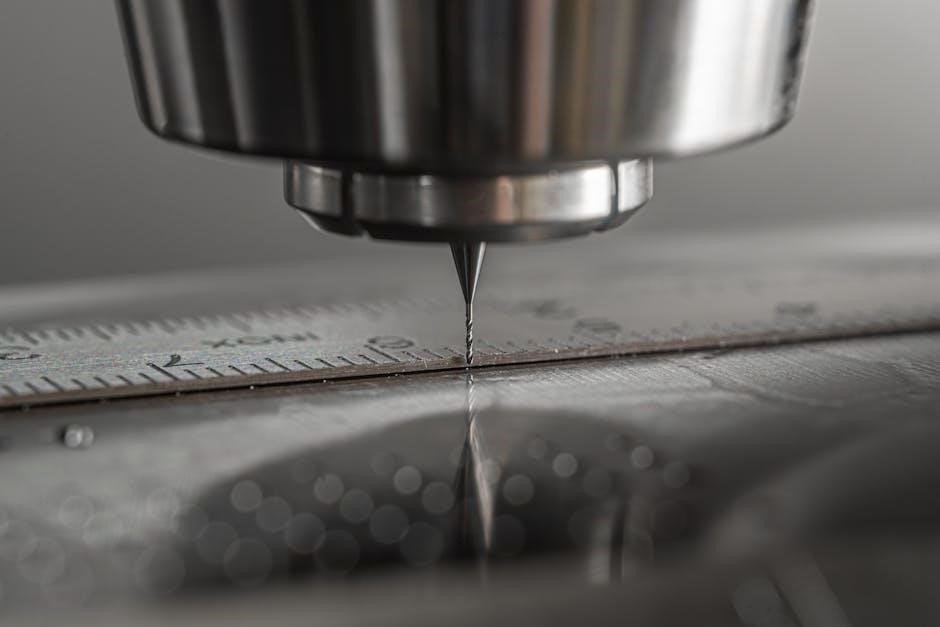
Essential components include the valve seat cutting head, guide driver, precision pilots and cutting tools, and a robust motor with a sophisticated control system for accuracy;
Valve Seat Cutting Head
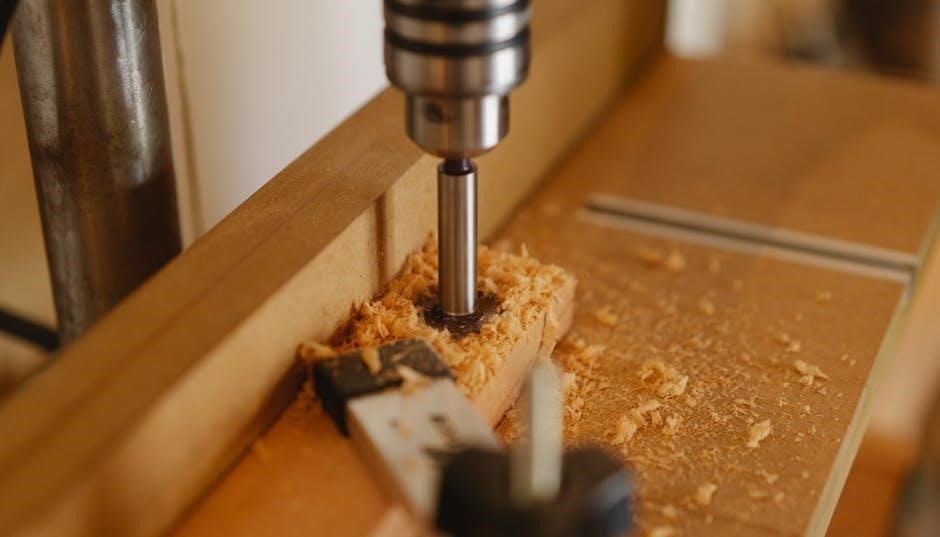
The valve seat cutting head is the core of the machine, responsible for precisely reshaping the valve seat to the correct angle and finish․ It houses the cutting tools and utilizes a rotating motion to remove material․ Modern heads often feature adjustable capabilities, allowing for variations in seat angles – crucial for a proper three-angle valve job․ The head’s design ensures concentricity with the valve guide, guaranteeing a perfect seal when the valve is seated․ Quality heads, like those found in Robins Machines, prioritize durability and consistent performance, contributing significantly to the overall accuracy of the valve job․
Valve Guide Driver
The valve guide driver is a critical component used for the precise installation and removal of valve guides within the cylinder head․ It ensures the guides are seated squarely and at the correct depth, preventing valve misalignment and potential engine damage․ These drivers often accommodate various guide sizes, requiring interchangeable bushings or adapters․ Proper use of the driver, alongside honing techniques, addresses wear typically found at the top and bottom of valve guides․ Robins Machines’ designs prioritize ease of use and secure guide placement, contributing to a reliable and long-lasting repair․
Pilots and Cutting Tools
Pilots, crucial for guiding the cutting head, ensure accurate valve seat angles․ Both fixed and live pilot systems exist, with carbide pilots being the preferred material due to their exceptional hardness and wear resistance․ Cutting tools themselves vary depending on the machine and application, ranging from specialized cutters for different seat angles to adjustable options for versatility․ Investing in a comprehensive set of pilots can reduce costs compared to live pilot systems, though live pilots offer enhanced precision․ Robins Machines utilizes high-quality pilots and cutting tools for optimal results․
Motor and Control System
Seat and guide machines rely on robust motor and control systems for precise operation․ Older machines may utilize variable speed control, though components can be aged․ Modern systems often employ either DC or three-phase motors, with corresponding controllers․ The cost of motor controllers has significantly decreased in recent years, making upgrades more accessible․ Variable speed control, even for a 1hp motor, can be achieved for under $200, though wiring time adds to the overall expense․ Precise motor control is fundamental to accurate valve seat cutting․
Fixed vs․ Live Pilots
Fixed pilots offer a gradual taper and require fewer sizes, lowering investment costs․ Live pilots provide enhanced accuracy, particularly for worn valve guides, but are pricier․
Advantages of Fixed Pilots
Fixed pilots present a cost-effective solution for valve seat and guide machine operations․ Their gradual taper design efficiently addresses common wear patterns found in valve guides, specifically at the top and bottom sections․ A significant benefit lies in the reduced financial outlay; because fewer pilot sizes are needed compared to live pilot systems, the initial investment is approximately 30% lower;
This makes fixed pilots particularly appealing for shops handling a diverse range of engine types where extensive pilot coverage isn’t immediately necessary․ They offer a reliable and economical approach to valve seat and guide maintenance․
Advantages of Live Pilots
While requiring a larger initial investment, live pilots offer enhanced precision and adaptability in valve seat and guide machining․ Their design allows for more accurate alignment and cutting, particularly crucial when dealing with heavily worn or damaged valve seats․ Though not explicitly detailed in the provided text, the implication is that live pilots facilitate a superior finish and longer-lasting repair․
The ability to accommodate a wider range of valve angles and seat geometries makes them invaluable for specialized engine work and performance applications, justifying the increased cost for professional rebuilders․
Carbide Pilot Material
The selection of carbide as the material for pilots in seat and guide machines isn’t accidental; it’s a necessity for durability and precision․ As stated, regardless of choosing fixed or live pilots, utilizing carbide is paramount․ This exceptionally hard material resists wear and maintains dimensional stability during the cutting process, ensuring accurate valve seat angles․
Carbide pilots withstand the high stresses and temperatures generated during valve seat grinding, extending their lifespan and reducing the frequency of replacement, ultimately contributing to cost-effectiveness and consistent results․
Robins Machines: A Leading Manufacturer
Robins Machines is globally recognized for its simple and smart engine rebuilding solutions, specializing in valve seat and guide machines, ensuring quality and precision․
SG4 Valve Seat and Guide Machine
The SG4 Valve Seat and Guide Machine, manufactured by Robins Machines, represents a foundational tool for engine rebuilders․ It’s designed for precision valve seat cutting and guide replacement, catering to a broad range of engine sizes․ This machine offers a balance of manual operation and accuracy, making it suitable for workshops prioritizing quality workmanship․ It facilitates the restoration of optimal sealing surfaces, crucial for maintaining compression and engine efficiency․ The SG4 is known for its robust construction and reliable performance, embodying the core principles of the Robins brand – simplicity and smart engineering․
SG5 Valve Seat and Guide Machine
The SG5 Valve Seat and Guide Machine, another offering from Robins Machines, builds upon the foundation of the SG4, providing enhanced capabilities for professional engine rebuilders․ While details are limited in readily available sources, the SG5 likely incorporates improvements in precision, efficiency, or versatility; As a product within the Robins lineup, it’s expected to maintain the brand’s commitment to simple, smart design․ It’s intended for valve seat cutting and guide work, contributing to optimal cylinder head performance and longevity․ Further specifications would reveal its specific advantages over the SG4 model․
SG6 Valve Seat and Guide Machine
The SG6 Valve Seat and Guide Machine, manufactured by Robins Machines, continues the company’s tradition of providing robust solutions for engine rebuilding professionals․ Positioned within their product range, the SG6 likely offers a balance of features and affordability․ While specific details are scarce, it’s designed for precision valve seat cutting and guide servicing, crucial for restoring cylinder head performance․ As with other Robins machines, simplicity and reliability are key design principles․ The SG6 contributes to achieving optimal sealing and efficient combustion within engines, ensuring longevity and power․
SG7 Valve Seat and Guide Machine
The SG7 Valve Seat and Guide Machine, a product of Robins Machines, represents a step up in precision and capability within their lineup․ Described as a “Precision Cylinder Head Seat & Guide Honing Machine,” the SG7 focuses on refining valve seat and guide geometry after initial cutting․ This honing process is critical for achieving a perfect seal and smooth valve operation․ It likely incorporates features for accurate guide alignment and seat finishing, contributing to enhanced engine performance and reduced emissions․ Robins emphasizes smart, simple designs, and the SG7 embodies this philosophy․
SG8 Valve Seat Cutting and Guide Machine
The SG8 Valve Seat Cutting and Guide Machine, manufactured by Robins Machines, is a versatile tool designed for comprehensive valve seat and guide servicing․ It combines both cutting and guide work capabilities into a single unit, streamlining the engine rebuilding process․ This machine likely handles a wide range of engine sizes and valve types, offering adjustability for various seat angles․ As a core product in the Robins lineup, the SG8 aims to deliver precision and efficiency, crucial for professional engine repair shops seeking reliable performance․
SG8E XL Large Diesel Seat and Guide Machine
The SG8E XL, from Robins Machines, is specifically engineered for large diesel engine valve seat and guide maintenance․ This machine addresses the demands of heavier-duty applications, offering increased capacity and robustness compared to standard models․ It’s designed to handle the larger components and tighter tolerances common in diesel cylinder heads․ The “XL” designation indicates an extended work envelope, accommodating substantial engine blocks․ Professionals working with diesel engines will find the SG8E a powerful and precise solution for critical repairs․
SG8MTS Manualmatic Seat and Guide Machine
The SG8MTS from Robins Machines represents a blend of manual control and automated assistance, offering versatility for valve seat and guide work․ This “Manualmatic” design allows technicians to perform operations with a combination of hands-on precision and powered functionality․ It’s a cost-effective solution for shops needing a flexible machine capable of handling diverse repair tasks․ The SG8MTS provides a balance between the simplicity of fully manual machines and the efficiency of fully automatic systems, appealing to a broad range of users․
Valve Seat Cutting Techniques
Valve seat cutting often employs a three-angle valve job for optimal sealing and airflow․ Variations in these angles are crucial, impacting engine performance and efficiency․
Three-Angle Valve Job
A three-angle valve job is a cornerstone of precision engine rebuilding, significantly enhancing cylinder head performance․ This technique involves cutting the valve seat at three distinct angles: a primary angle for initial contact, a secondary angle to increase the sealing surface, and a tertiary angle to improve airflow․
This method ensures a superior seal, maximizing compression and minimizing back leakage․ Properly executed, a three-angle valve job contributes to increased horsepower, improved fuel efficiency, and reduced emissions․ Robins Machines’ seat and guide machines facilitate achieving these precise angles consistently, crucial for optimal engine function․
Valve Seat Angle Variations
Valve seat angle variations are critical for tailoring engine performance to specific needs․ While a standard three-angle valve job is common, adjustments to these angles impact airflow and combustion․ Steeper angles generally enhance airflow at high lift, beneficial for performance engines, while shallower angles improve sealing at lower lift, suited for daily drivers․
Seat and guide machines, like those from Robins Machines, allow technicians to precisely adjust these angles․ Understanding the interplay between valve seat geometry and engine characteristics is vital․ Correct angle selection optimizes cylinder head efficiency, maximizing power and responsiveness․
Valve Guide Repair and Replacement
Valve guide repair involves honing or replacing worn guides, crucial for maintaining valve alignment․ Robins SGH7 offers precision honing, ensuring optimal valve control and sealing․
Identifying Worn Valve Guides
Determining if valve guides require attention is a critical step in engine rebuilding․ Worn valve guides manifest through several telltale signs․ Excessive valve stem-to-guide clearance is a primary indicator, often detected during a valve job․ Look for visible wear patterns, particularly at the top and bottom of the guide where the valve spends most of its time reciprocating․
Back-and-forth movement of the valve stem within the guide, beyond acceptable tolerances, confirms wear․ Oil consumption can also increase as worn guides allow oil to seep past the valve seals․ Careful inspection, combined with precision measuring tools, is essential for accurate diagnosis and proper repair using a seat and guide machine․
Valve Guide Honing
Valve guide honing is a precision finishing process performed after guide replacement or when slight wear is present․ Utilizing specialized honing tools within a seat and guide machine, the inner diameter of the guide is carefully refined to achieve the correct interference fit with the valve stem․
This process ensures smooth valve operation and optimal sealing․ Robins SGH7 is a precision cylinder head seat and guide honing machine designed for this purpose․ Honing removes minor imperfections and establishes a consistent bore, crucial for preventing valve sticking and maintaining proper valve alignment․ Proper honing is vital for long-term engine reliability․
Motor Control and Variable Speed
Seat and guide machines often utilize DC or three-phase motors with variable speed controllers, offering flexibility․ Modern controllers are affordable, costing under $200 for a 1hp motor․
DC Motor Controllers
DC motor controllers for seat and guide machines provide precise speed regulation, crucial for different cutting and honing operations․ These controllers manage the voltage and current supplied to the DC motor, allowing operators to adjust the spindle speed to suit the valve seat material and desired finish․ While older machines may have aging controllers, replacements are now significantly more affordable – often under $200 for a 1 horsepower motor․
However, the cost of the controller itself is only part of the equation; wiring and setup require skilled labor, adding to the overall expense․ Proper installation ensures smooth, reliable operation and extends the machine’s lifespan․
Three-Phase Motor Controllers
Three-phase motor controllers, like their DC counterparts, are vital for regulating the speed and power delivered to the motor in seat and guide machines․ They offer robust performance and are commonly found in more powerful or modern machines․ Similar to DC controllers, the price of three-phase options has decreased considerably over time, making upgrades and repairs more accessible․
A variable speed control for a 1hp three-phase motor can also be found for under $200, though, as with DC controllers, the labor cost for wiring and configuration should be factored into the total expense․
Cost Considerations for Motor Controllers
When considering motor controllers for a seat and guide machine, particularly for older models, the cost landscape has shifted favorably․ Historically expensive, both DC and three-phase motor controllers are now significantly more affordable․ A variable speed controller for a 1 horsepower motor, whether DC or three-phase, can be acquired for under $200․
However, it’s crucial to remember that the component cost represents only a portion of the total expense; the time and expertise required for proper wiring and setup are also significant factors․
Adjustable Seat Pocket Cutters
Adjustable seat pocket cutters are a valuable addition to a seat and guide machine, especially for shops performing numerous seat installations, offering increased versatility․
Benefits of Adjustable Cutters
Adjustable seat pocket cutters significantly enhance a machine’s capability, allowing technicians to accommodate a wider range of valve seat angles and sizes without frequent tool changes․ This flexibility is particularly beneficial when working with diverse engine types and cylinder heads․ They streamline the process, reducing setup time and improving overall efficiency in the workshop․
Furthermore, adjustable cutters minimize the need for a large inventory of fixed cutters, representing a cost-effective solution for many repair facilities․ They provide greater precision and control during the cutting process, leading to superior valve seat geometry and improved engine performance․
Applications for Adjustable Cutters
Adjustable seat pocket cutters are invaluable when performing extensive cylinder head repairs, especially for shops handling a high volume of diverse engine work․ They excel in situations requiring frequent seat angle adjustments, such as three-angle valve jobs or when adapting to different valve seat designs․
These cutters are particularly useful for performance engine builds where customized valve angles are crucial for optimizing airflow and maximizing power output․ They also prove essential when restoring older engines with worn or damaged valve seats, offering a versatile solution for various repair scenarios․
Maintenance and Troubleshooting
Regular maintenance—like lubrication and inspection—is key for seat and guide machines․ Common issues, such as motor control failures, can often be resolved with affordable replacements․
Regular Maintenance Procedures
Consistent upkeep extends the lifespan and accuracy of your seat and guide machine․ Prioritize frequent lubrication of all moving parts, referencing the manufacturer’s guidelines for specific points; Regularly inspect belts for wear and tension, and promptly replace any showing signs of damage․ Clean the machine thoroughly after each use, removing metal shavings and debris․ Check electrical connections for looseness or corrosion, ensuring safe operation․ Verify pilot and cutter alignment periodically․ A proactive approach to maintenance minimizes downtime and costly repairs, guaranteeing precision and reliability in your valve jobs․
Common Issues and Solutions
Several issues can arise with seat and guide machines․ Variable speed control malfunctions, particularly in older models, can occur – consider modern, affordable motor controllers as replacements․ Misalignment of cutters or pilots leads to inaccurate cuts; regular checks and adjustments are crucial․ Worn or damaged pilots necessitate replacement, ideally with carbide materials for durability․ Electrical problems, like loose connections, require careful inspection and tightening․ If a motor controller fails, a replacement under $200 is often feasible․ Addressing these promptly prevents further damage and maintains precision․
Future Trends in Seat and Guide Machine Technology
Automation and CNC integration are poised to revolutionize seat and guide machines, alongside the development of advanced materials for cutting tools and increased precision․
Automation and CNC Integration
The integration of automation and CNC (Computer Numerical Control) technology represents a significant leap forward in seat and guide machine capabilities․ Traditionally, these machines relied heavily on manual operation, demanding skilled technicians for precise results․ CNC integration allows for pre-programmed cutting paths, ensuring consistent accuracy and reducing operator fatigue․
This shift towards automation minimizes human error, enhances repeatability, and dramatically improves production efficiency, particularly in high-volume engine rebuilding environments․ Future machines will likely feature robotic arms for tool changes and automated inspection systems, further streamlining the valve seat and guide servicing process․
Advanced Materials and Cutting Tools
Advanced materials are revolutionizing seat and guide machine technology, focusing on durability and precision․ Carbide pilots are already standard, offering exceptional wear resistance during valve seat cutting․ However, research continues into even harder materials for cutting tools, extending their lifespan and maintaining consistent cutting performance․
Furthermore, innovative coating technologies are being applied to cutting tools to reduce friction and heat buildup․ These advancements, coupled with improved machine designs, contribute to finer surface finishes and tighter tolerances, ultimately enhancing the quality and reliability of engine valve jobs․